RIIMA is Driven by Farmer Cooperatives who elect the board. Among organizations that are part of the platform of RIMA are organizations of people from the Diaspora. People of the Diaspora are also part of the platform of RIMA. The Diaspora plays an important role in sharing innovative ideas, expertise, resources and financial means.
The Way We Work
Membership is the cornerstone of effective governance in Burundi.
The governance model is rooted in the foundation principle of democracy, with members electing the board of directors to represent their interests and make key decisions on behalf of the association.
As a member-driven organization,
RIMA relies on the active participation of its members to guide the association’s operations, set priorities, and ensure accountability
the board of directors is elected.
The board is made up of trusted individuals who understand the challenges and aspirations of the association’s farmers. These elected representatives ensure that decisions align with the needs of the members, from setting strategic goals to managing resources responsibly. This democratic process fosters transparency, trust, and a shared sense of ownership among members.
teamleaders
Board of Directors
The board of Directors of RIMA set policies and select and supervises the management team of RIMA.
Represent Member Interests
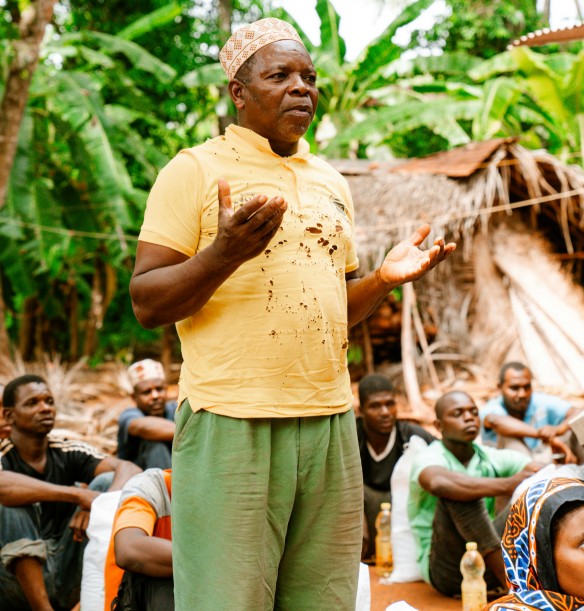
The board acts as a bridge between the association’s general membership and its operations. Board members are democratically elected by the association’s members, ensuring they represent the collective voice of farmers within the association. This inclusive approach fosters trust, transparency, and accountability, as board members are directly accountable to the membership base.
responsibilities
Setting Strategic Direction
One of the board’s primary responsibilities is to establish the association’s strategic direction.
Policy and Decision-Making
The board develops and enforces policies that govern the association’s operations. These policies ensure that the association operates efficiently, ethically, and in alignment with its core principles. From financial management to resource allocation, the board makes critical decisions that impact the association’s overall performance.
This includes identifying key objectives, aligning activities with the association’s mission, and ensuring that the organization remains focused on empowering its farmer members.
The board represents the association in local, national, and international forums, advocating for policies and initiatives that benefit its members it establishing strong relationships with stakeholders and partners.
Ensurering
Oversight and Accountability
The board provides oversight for the association’s management team, ensuring that day-to-day operations are conducted effectively and in accordance with the association’s values and objectives. They monitor financial performance, operational efficiency, and the implementation of strategic initiatives.
Promoting Member Participation
A key role of the board is to encourage active member participation. This involves fostering a sense of ownership among members, facilitating educational programs, and ensuring that members have a clear understanding of their rights and responsibilities within the association. The board also organizes elections and meetings to maintain strong member engagement. Regular reporting and transparent communication with members are essential aspects of this role.
Collaborate
Innovation and Collaboration
The board collaborates with members, staff, and external partners to introduce innovative solutions that enhance productivity, sustainability, and profitability for the association. This includes leveraging the expertise and resources of the Burundian diaspora, which contributes valuable ideas, financial support, and global connections to the association.
Advocacy and Representation
The board helps secure funding, technical support, and market opportunities for the association’s farmers.
The board of directors of the RIMA Association serves as the backbone of its governance structure. By fostering transparency, accountability, and inclusivity, the board ensures that the association
remains aligned with its mission to empower farmers, promote sustainability, and drive economic growth in Burundi. Their leadership not only strengthens the association but also enhances the livelihoods of its members and their communities